
From Vintage to Modern: Timeless Wallpaper Patterns for Every Home
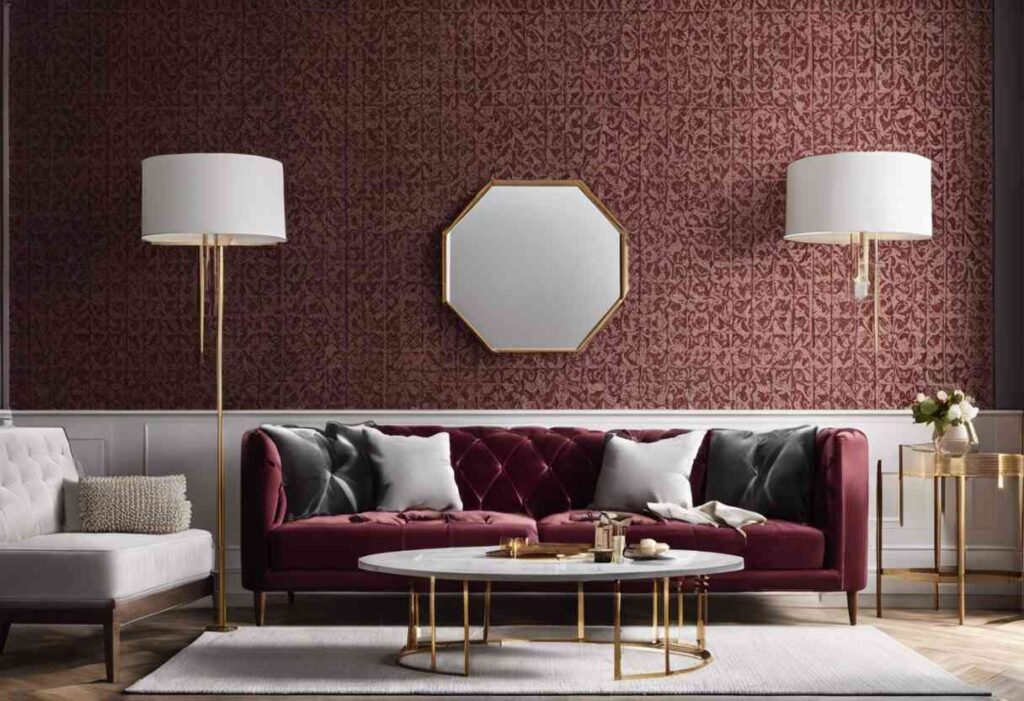
Here’s an overview:
- Introduction: The Enduring Appeal of Wallpaper
- The Evolution of Wallpaper: From Vintage to Modern
- Classic Vintage Wallpaper Patterns
- Contemporary Takes on Vintage Designs
- Geometric Patterns: A Modern Classic
- Floral Designs: Timeless Elegance for Every Room
- Textured Wallpapers: Adding Depth and Dimension
- Bold and Abstract: Wallpapers for the Adventurous
- Nature-Inspired Designs: Bringing the Outdoors Inside
- Minimalist Patterns for Modern Homes
- Choosing the Right Wallpaper for Your Space
- How to Mix and Match Different Wallpaper Styles
- Wallpaper Maintenance and Care Tips
- Conclusion: Elevating Your Home with Timeless Wallpaper Patterns
Introduction: The Enduring Appeal of Wallpaper
From vintage charm to contemporary sophistication, wallpaper has remained a beloved design element in homes around the world. Over centuries, its patterns, colors, and textures have evolved, yet its ability to transform and define spaces has remained constant. The resurgence of interest in wallpaper patterns reflects a blend of nostalgia for classic designs and excitement for innovative modern styles.
Historical Significance and Evolution
The historical roots of wallpaper trace back to the Renaissance period, showcasing intricate hand-painted designs. As time progressed, the Industrial Revolution brought about mass production, making wallpaper more accessible to the middle class. Notable patterns such as damask, toile, and chinoiserie have become timeless classics, often evoking a sense of elegance and grandeur. The evolution continued through the 20th century, with Art Deco, mid-century modern, and even bold retro patterns reflecting the cultural shifts of their times.
Versatility in Modern Interior Design
In modern interior design, wallpaper serves diverse purposes, from creating accent walls to enveloping entire rooms in texture and color. Whether employing vintage-inspired motifs or sleek geometric patterns, contemporary designs offer versatility that caters to various tastes and functional needs. Wallpapers today are crafted not just for visual appeal but also for functionality, including features such as removable options, eco-friendly materials, and durable finishes suitable for high-traffic areas.
Key Benefits of Wallpaper
- Aesthetic Versatility: The endless array of designs enables personalized aesthetics.
- Functionality: Options include washable, removable, and eco-friendly materials.
- Textural Depth: Offers tactile elements that paint can’t achieve.
- Statement Pieces: Creates focal points and accent walls effortlessly.
- Historical Flair: Revives and modernizes classic designs for contemporary settings.
The Bridge Between Vintage and Modern
Blending vintage and modern wallpaper patterns creates a harmonious balance, preserving the elegance of past designs while embracing contemporary trends. Modern technology allows for the recreation of historic motifs with updated color palettes and materials. This fusion offers designers and homeowners the flexibility to pay homage to traditional aesthetics while innovating with cutting-edge designs. Consequently, wallpaper continues to captivate, making it an enduring choice for those looking to enhance their living spaces.
The enduring appeal of wallpaper lies in its ability to adapt and transform, effortlessly bridging eras and styles while continually offering new ways to inspire and rejuvenate home interiors.
The Evolution of Wallpaper: From Vintage to Modern
Wallpaper has undergone significant transformation throughout the decades, reflecting evolving tastes, technological advancements, and cultural shifts. Initially, wallpaper served both a decorative and functional purpose, insulating and protecting walls in addition to adorning them.
Early Beginnings
- Hand-Painted Designs: Early wallpaper designs were often hand-painted or block-printed, making them unique and high-end luxuries for affluent households.
- Chinoiserie and Damask: These early patterns frequently featured intricate designs like Chinoiserie, with its elaborate, Asian-inspired motifs, or Damask, showcasing rich, woven-like designs reminiscent of fabric textures.
19th Century: Industrial Revolution
- Mass Production: The advent of the Industrial Revolution ushered in mass production techniques, making wallpaper more accessible to the general public.
- Victorian Era: Bold floral patterns, elaborate scrolls, and ornate decorations became prevalent, epitomizing the excess and opulence of the Victorian era.
- Machine Printing: Innovations in machine printing allowed for more intricate and varied designs, making wallpaper an essential element in home decor.
Early to Mid-20th Century
- Art Deco: The 1920s and 1930s saw the rise of Art Deco, characterized by geometric shapes, metallic accents, and symmetrical patterns, reflecting the modernist movement.
- Post-War Optimism: Post-World War II design trends embraced lighter, airier patterns. Pastel colors and playful designs epitomized the hope and optimism of the era.
Late 20th Century to Contemporary Styles
- Bold and Graphic: The 1960s and 1970s introduced bold graphic patterns and vibrant colors, reflecting the psychedelic era.
- Minimalism: By the 1980s and 1990s, minimalism began to influence wallpaper designs, with subtle textures and muted hues taking center stage.
Modern Trends
- Digital Printing: Today’s wallpaper benefits from digital printing technology, offering limitless possibilities for customization and detailed imagery.
- Sustainable Materials: Eco-friendly options, using sustainable materials and non-toxic dyes, have gained popularity as environmental consciousness grows.
- Interactive Designs: Innovations include interactive wallpaper, such as magnetic or whiteboard wallpaper, merging functionality with aesthetic appeal.
Timeless Patterns
- Floral Designs: Despite evolving trends, floral designs remain a staple, continuously refreshed to align with contemporary tastes.
- Geometric Patterns: Geometric patterns, first popularized by Art Deco, continue to be a favorite, adapted to the modern sensibilities of simplicity and elegance.
In essence, wallpaper has adapted through the ages, maintaining its relevance by continually evolving to meet the aesthetic and practical needs of each era. From vintage sophistication to modern minimalism, wallpaper remains a timeless choice for home decor.
Classic Vintage Wallpaper Patterns
Classic vintage wallpaper patterns carry a nostalgic charm that is ideal for those who appreciate traditional aesthetics. These designs often reflect historical styles that have stood the test of time, blending beautifully with both antique and contemporary furniture.
Floral Prints
Floral patterns are quintessential in vintage wallpaper designs. These prints range from delicate blossoms to bold, oversized flower motifs:
- Roses and Peonies: Often seen in muted pastel tones, these flowers offer a romantic and elegant touch to living spaces.
- Wildflowers: Featuring a variety of small blooms, wildflower patterns provide a whimsical, country feel.
Damask Patterns
Damask patterns, characterized by their intricate designs and symmetrical motifs, add a sense of grandeur and opulence:
- Baroque Elements: Heavily ornate, these patterns are reminiscent of European aristocracy and are ideal for formal settings.
- Rococo Influence: Featuring more playful and fluid designs, Rococo damasks offer a lighter, more graceful aesthetic.
Toile De Jouy
Toile de Jouy, or simply toile, is known for its pastoral scenes and intricate illustrations:
- Pastoral Scenes: These patterns often depict serene rural life, including farm animals and landscapes.
- Historical Prints: Some toile designs incorporate historic events or figures, adding an educational flair.
Geometric Art Deco
Art Deco patterns from the early 20th century showcase bold geometric figures:
- Chevron Stripes: Known for their sharp, zigzag lines, chevron patterns bring an eye-catching, linear aspect to interiors.
- Geometric Symmetry: Consisting of diamonds, hexagons, and other shapes in repeating patterns, these designs maintain a balance between modernity and nostalgia.
Paisley Motifs
Paisley designs, originating from Persian and Indian textiles, feature intricate teardrop shapes:
- Traditional Paisley: Often found in rich, jewel-toned colors, these patterns exude a luxurious vintage feel.
- Simplified Paisley: Modern takes on paisley can simplify the design for a subtler, yet still classic, look.
Stripes and Checks
Stripes and checks are versatile patterns that have been used extensively in vintage wallpaper:
- Vertical Stripes: Ideal for making rooms appear taller, vertical stripes add height and sophistication.
- Gingham Checks: Small, repetitive check patterns offer a cozy, inviting feel, perfect for kitchens and informal spaces.
Recognizing these classic vintage wallpaper patterns can significantly enhance home decor, providing timeless elegance and history.
Contemporary Takes on Vintage Designs
Integrating modern touches with timeless wallpaper patterns offers a unique blend of past and present aesthetics. Designers today take inspiration from classic motifs, updating them with contemporary flair, making these wallpaper styles suitable for any modern home.
Bold Color Palettes
Traditional patterns such as damasks, florals, and toile are revitalized with bold, vibrant colors. Consider the following:
- Damasks: This intricate pattern, often associated with grandiose historical settings, is now available in striking hues like deep teal, golden yellow, and rich burgundy.
- Florals: Large-scale floral designs come to life in unexpected color combinations, with blues, pinks, and greens offering a fresh, lively spirit.
- Toile: Once limited to muted tones, modern toile prints now incorporate vivid, contrasting colors that make a statement.
Mixed Media Elements
Contemporary wallpaper designs often incorporate mixed media elements, adding depth and dimension to traditional patterns. This includes:
- Metallic Accents: Incorporating gold, silver, or bronze touches into classic designs creates a luxurious feel.
- Textured Surfaces: Raised patterns and embossed details transform flat wallpaper into an engaging tactile experience.
- Matte and Gloss Finishes: Combining different finishes within one pattern adds dynamic visual interest.
Minimalist Interpretations
Simplicity blended with traditional forms results in a minimalist yet captivating look. Common approaches include:
- Monochrome Patterns: Keeping the design within a single color spectrum emphasizes shape and structure over color contrast.
- Geometric Reductions: Streamlining ornate patterns into simplified, geometric forms offers a modern twist on historical designs.
- Subdued Shades: Utilizing soft, neutral palettes allows the wallpaper to complement rather than dominate a room’s decor.
Eco-Friendly Materials
Modern reimaginings of vintage designs also consider sustainability:
- Water-Based Inks: These eco-friendly options reduce the environmental impact without compromising on vibrancy.
- Recycled Materials: Wallpapers incorporating recycled fibers offer a rustic charm while promoting eco-conscious practices.
- PVC-Free Options: These alternatives are better for the environment and the air quality within the home.
By blending classic motifs with modern sensibilities, today’s wallpaper innovations keep home interiors both timeless and current. This harmonious fusion ensures that traditional elegance never goes out of style.
Geometric Patterns: A Modern Classic
Geometric patterns have captured the imagination of interior designers and homeowners alike, blending the vintage charm of traditional motifs with the sleek lines of contemporary design. These patterns, characterized by their symmetrical shapes and clean lines, offer a powerful statement, making them a staple in modern interior aesthetics.
Key Elements of Geometric Patterns
- Symmetry: Geometric wallpapers often emphasize balance and harmony through repeated shapes, creating a symmetrical and cohesive look.
- Versatility: These patterns can easily be adapted to various color schemes, from monochromatic tones to vibrant hues, making them suitable for any room.
- Bold Graphics: Sharp lines and clear shapes define geometric patterns, which can be seen in forms such as hexagons, triangles, and chevrons.
Popular Geometric Design Options
- Hexagons: Often referred to as “honeycomb patterns,” hexagons bring a sense of natural symmetry and modern elegance.
- Chevron: This zigzag pattern adds dynamic movement to walls, making it perfect for accent walls or modern kitchens.
- Triangles: Simple yet striking, triangles can create a minimalist and clean look, especially when used in contrasting colors.
“Geometric patterns are the epitome of modern sophistication, offering a timeless appeal that can transform any space.”
Benefits of Geometric Patterns
- Visual Interest: They add a focal point without overwhelming the room.
- Depth and Dimension: Geometric patterns can create the illusion of depth, making small spaces appear larger.
- Flexibility: These patterns work well with various décor styles, from Scandinavian to mid-century modern.
Applications in Different Rooms
- Living Room: Use subtle geometric prints to create a chic and inviting atmosphere.
- Bedroom: Opt for softer geometric designs in muted tones for a calming effect.
- Home Office: Bold geometric wallpapers can enhance focus and creativity, providing a stimulating environment.
Incorporating geometric patterns into home décor not only modernizes the space but also elevates it with a touch of classic elegance. By understanding their versatility, symmetry, and visual impact, homeowners can easily navigate the transition from vintage to modern, ensuring a stylish yet timeless interior.
Floral Designs: Timeless Elegance for Every Room
Floral wallpaper designs have remained a staple in interior design due to their versatility and timeless elegance. These designs can seamlessly fit into any decor style, from vintage charm to modern chic. The natural motifs bring the beauty of the outdoors inside, creating a calming and inviting atmosphere.
Variety of Patterns
Floral patterns range from delicate, small-scale prints to bold, large-scale designs. Here are a few popular styles to consider:
- Traditional Florals: Often feature intricate, detailed patterns with a classic feel, perfect for vintage or traditional settings.
- Modern Florals: Simplified, stylized florals with clean lines and contemporary color palettes ideal for modern interiors.
- Botanical Prints: Detailed representations of plants and flowers that add a touch of sophistication and natural beauty.
- Abstract Florals: Artistic and less literal interpretations that add a creative twist to any room.
Room-Specific Recommendations
Floral designs are adaptable and can enhance the aesthetics of various rooms:
- Living Room: Large, bold florals as a feature wall can create a striking focal point, adding depth and character.
- Bedroom: Soft, muted floral patterns in pastel colors can promote tranquility and relaxation.
- Kitchen: Bright, cheerful florals can bring vibrancy and energy, making it a lively space for gatherings and daily activities.
- Bathroom: Delicate, moisture-resistant floral wallpapers can add a luxurious, spa-like feel.
Color Coordination
Pairing floral wallpapers with complementary colors and decor elements is crucial. Consider the following tips:
- Contrast: Use contrasting colors to make the floral patterns pop. For example, dark florals on a light wall or vice versa.
- Consistency: Maintain color consistency by picking hues from the wallpaper for fabrics, rugs, and accessories.
- Neutral Balance: Balance bold floral prints with neutral furniture and decor to avoid a visually overwhelming space.
Highlighting Architectural Features
Floral designs can also enhance architectural elements:
- Accent Walls: Use floral wallpaper to draw attention to a feature wall, fireplace, or headboard.
- Ceilings: Adding florals to the ceiling can create a unique and unexpected design element.
- Alcoves and Nooks: Apply floral patterns to smaller areas to add depth and interest without overpowering the room.
Floral designs offer endless possibilities for creating elegant and timeless interiors. Whether in a traditional or modern setting, the right floral wallpaper can transform any room into a stylish haven.
Textured Wallpapers: Adding Depth and Dimension
When discussing the impact of textured wallpapers in interior design, their ability to add depth and dimension is undeniable. Textured wallpapers go beyond visual appeal, offering a tactile experience that can transform a space both aesthetically and functionally.
The Appeal of Textured Wallpapers
Textured wallpapers offer a sophisticated way to enhance any room’s ambiance. By incorporating various materials and patterns, they create a multi-dimensional effect that plain wallpapers cannot achieve.
- Materials: Common materials used include fabric, vinyl, and grasscloth. Each brings a unique finish, providing options ranging from soft, plush surfaces to more rugged, tactile finishes.
- Patterns: Textured wallpapers can mimic natural elements like stone, wood, or fabric, adding an organic touch. Others feature geometric designs or abstract patterns, offering a modern, artistic vibe.
Functional Benefits
Textured wallpapers can also offer functional advantages. Their unique surfaces can help to hide imperfections on walls and are often more durable than flat wallpapers.
- Durability: Vinyl and fabric-based textured wallpapers are particularly robust, making them suitable for high-traffic areas.
- Insulation: Some options provide additional insulation, both thermal and acoustic, which can be beneficial in maintaining a comfortable environment.
- Surface Imperfections: The inherent patterns and textures help mask flaws in wall surfaces, providing a flawless finish.
Style Versatility
Textured wallpapers are versatile, fitting seamlessly into various design themes. Whether aiming for a classic, elegant look or a contemporary, chic atmosphere, there are textured wallpaper options to match any style.
- Vintage: Textures like damask or flock add a touch of old-world charm and opulence.
- Modern: Sleek, minimalist textures like linen or metallic finishes contribute to a refined, upscale modern decor.
- Eclectic: Bold, eclectic spaces benefit from textured wallpapers that incorporate a mix of materials and patterns, creating focal points within the room.
Installation Considerations
While textured wallpapers can be more challenging to install than flat options, the added benefits make the effort worthwhile. It is often recommended to hire professional installers to ensure the optimal appearance and longevity of the wallpaper.
In sum, textured wallpapers offer both aesthetic and practical benefits, transforming homes by adding a rich, multidimensional layer to walls. Whether in a vintage or modern context, these wallpapers are a timeless choice for any style-conscious homeowner.
Bold and Abstract: Wallpapers for the Adventurous
For those willing to push the boundaries of traditional home decor, bold and abstract wallpaper patterns offer an unparalleled opportunity to infuse rooms with creativity and excitement. Abstract designs, often characterized by unusual shapes, striking color combinations, and unpredictable patterns, can take any space from ordinary to extraordinary.
Consider the following features and styles when exploring bold and abstract wallpapers:
- Vibrant Color Palettes: Bold wallpapers frequently employ a diverse range of vibrant hues. These color palettes are often unexpected and daring, featuring combinations that create a dynamic visual impact.
- Geometric Shapes: Intricate geometric patterns, utilizing both symmetric and asymmetric shapes, can provide a sense of modernity and sophistication. These designs are ideal for accent walls or entire rooms needing a contemporary edge.
- Organic Abstracts: Wallpapers featuring fluid, organic designs inspired by nature add a touch of whimsy and elegance. These patterns can evoke landscapes, water bodies, or abstract floral arrangements, bringing an element of the outdoors inside.
- Textural Effects: Certain wallpapers imbue spaces with a tactile feel through simulated textures or three-dimensional appearances. These effects range from metallic finishes to fabric-like weaves, each contributing to a richer sensory experience.
Advantages of Bold and Abstract Wallpapers
- Personal Expression: Bold and abstract wallpapers enable homeowners to express individuality and taste, making the decor uniquely personal.
- Versatility: Despite their dramatic impact, these patterns can be surprisingly versatile, suitable for various rooms including living spaces, bedrooms, and even bathrooms.
- Artistic Focal Points: Such wallpapers act as statement pieces, turning walls into canvases that showcase artistic flair and are often conversation starters.
- Contemporary Appeal: They provide a refreshing contrast to more traditional decor elements, offering a modern touch that can rejuvenate an older space.
Selecting bold and abstract wallpaper is not merely a decor choice but an adventurous step toward innovative home styling.
Nature-Inspired Designs: Bringing the Outdoors Inside
Nature-inspired designs are a timeless choice for wallpaper, offering a sense of tranquility and connection to the natural world. These designs often feature botanical elements, landscapes, and natural textures that can create a serene and inviting atmosphere in any room. Homeowners and designers alike appreciate how nature-themed wallpapers can transform interiors into serene sanctuaries.
Popular Nature-Inspired Patterns
- Floral Patterns
- Large-Scale Florals: Bold and dramatic, these patterns often act as statement pieces.
- Dainty Florals: Featuring small flowers for a delicate, vintage feel.
- Botanical Elements
- Leafy Motifs: Patterns that showcase various types of leaves, offering a green, lush look.
- Tropical Themes: Highlighting exotic plants and vibrant colors.
- Landscapes
- Forest Scenes: Eliciting a sense of depth and adventure.
- Mountains and Waterfalls: Creating a calming, expansive view.
Benefits of Nature-Inspired Wallpaper
- Mental Well-Being: Studies suggest that nature designs can reduce stress and improve mental health.
- Versatility: Suitable for various settings such as living rooms, bedrooms, or even bathrooms.
- Seasonal Allure: These designs transcend seasons, bringing year-round beauty.
Material Considerations
Selecting the right material is crucial for ensuring the longevity and visual impact of nature-inspired wallpaper:
- Vinyl: Durable and easy to clean, ideal for high-traffic areas.
- Textured: Adds a tactile dimension, enhancing the natural feel.
- Eco-Friendly Options: Promote sustainability and often feature organic inks and recycled materials.
Placement Tips
- Feature Wall: Use nature-inspired wallpaper on a single wall to create a focal point.
- Complementary Decor: Pair with natural elements like wooden furniture, plants, or stone accents.
- Lighting: Natural and soft lighting can enhance the calming effect of these designs.
Customization Options
For those seeking a truly unique touch, consider:
- Murals: Custom-designed to fit specific spaces and preferences.
- Hand-Painted Designs: Offers a bespoke, artistic element to any room.
Integrating nature-inspired wallpaper into home design not only elevates the aesthetic but also fosters a harmonious living environment.
Minimalist Patterns for Modern Homes
Modern homes often gravitate toward minimalist wallpaper patterns that offer a sophisticated and uncluttered aesthetic. These patterns create a serene environment, perfect for contemporary living spaces. Here are some key types and features of minimalist patterns that stand out in contemporary design:
Geometric Simplicity
- Monochromatic Palettes: Black, white, and gray tones dominate, maintaining a sleek and cohesive look.
- Repetitive Shapes: Simple shapes such as lines, circles, and triangles repeated uniformly to provide a sense of order and structure.
- Neutral Backgrounds: Light, neutral background colors ensure that the patterns do not overwhelm the space.
Nature-Inspired Designs
- Subtle Botanicals: Minimalist leaves and branches in muted tones add a touch of nature without compromising the minimalist aesthetic.
- Abstract Floral: Simplified and abstract representations of flowers and plants, often in restrained color schemes.
- Zen Garden Influences: Designs inspired by Japanese gardens, focusing on simplicity and tranquility with elements like bamboo or rock formations.
Textural Illusions
- Fine Lines: Thin, precise lines creating the illusion of texture while maintaining a flat, smooth surface.
- Tactile Feel: Wallpapers that mimic the look of materials such as linen, silk, or woven fabrics to add depth without heavy patterns.
- Minimal Brush Strokes: Designs that emulate the look of light, airy brush strokes adding dimension subtly.
Linear Arrangements
- Horizontal Stripes: Stripes that elongate the walls, creating a sense of spaciousness and modernity.
- Vertical Lines: Enhance height perception, making the ceiling appear higher and the room more expansive.
- Diagonal Patterns: Contemporary diagonal lines for a dynamic yet controlled visual interest.
Monochrome Minimalism
- Single Color Focus: A single, bold color used sparingly to create focal points without overwhelming the simplicity.
- Dual-Tone Contrasts: Two-tone wallpapers that harmonize contrasting shades to maintain a minimalist yet engaging look.
- Negative Space: Emphasizing empty spaces around the pattern to provide a breathable, airy feel.
Subdued Abstracts
- Soft Gradients: Gradual color transitions add a calming effect without drawing attention away from the room’s furniture.
- Ink Wash Techniques: Light, watercolor-inspired designs that offer an artistic touch while still being understated.
- Abstract Lines: Freeform lines that add an organic feel to the space without being too bold or distracting.
By integrating minimalist wallpaper patterns with modern home decor, one can achieve a contemporary ambiance that is both calming and visually appealing.
Choosing the Right Wallpaper for Your Space
Selecting the perfect wallpaper involves several critical considerations. This section aims to outline fundamental aspects to guide homeowners in harmonizing wallpaper patterns with their interior design.
Color Coordination
Different hues can dramatically alter the ambiance of a room. To achieve a cohesive look:
- Evaluate existing color schemes in furniture and decor.
- Select wallpaper colors that complement or contrast tastefully with these elements.
- For small spaces, opt for lighter shades to create an illusion of more space, while darker tones can make larger rooms feel cozier.
Pattern Selection
The pattern of the wallpaper significantly contributes to the overall aesthetic. Consider the following:
- Large, bold prints can make a statement, suitable for feature walls or spacious rooms.
- Smaller, intricate designs are effective for creating subtle texture and sophistication.
- Geometric patterns offer a modern appeal, while floral and damask motifs deliver a vintage touch.
Scale and Proportion
Understanding the scale of the wallpaper pattern relative to the room’s dimensions is crucial:
- In compact spaces, smaller-scaled patterns prevent the room from feeling overwhelmed.
- For expansive areas, larger patterns or murals can provide a striking focal point.
Room Functionality
Wallpaper should also align with the room’s use:
- In high-traffic areas like hallways or kitchens, opt for durable, washable wallpaper to maintain longevity.
- For bedrooms and living areas, prioritize comfort and relaxation with soothing colors and soft patterns.
Lighting Considerations
Lighting plays a pivotal role in the perception of wallpaper:
- Natural light can enhance lighter shades and subtle patterns.
- In dimly lit spaces, consider using reflective or metallic wallpaper to brighten the room.
Test Samples
Always test wallpaper samples before committing:
- Acquire samples of potential choices and apply them to the walls in different lighting conditions.
- Observe the interaction between wallpaper and existing decor items.
Professional Installation
For intricate patterns or large installations, hiring a professional ensures precision and quality. Expertise in handling wallpaper materials and alignment is crucial for achieving a seamless look.
By attending to these details, homeowners can make informed decisions, ensuring their chosen wallpaper enhances the space’s aesthetic and functional characteristics.
How to Mix and Match Different Wallpaper Styles
Blending various wallpaper styles can create a unique and visually appealing aesthetic. Achieving the perfect balance requires understanding color coordination, pattern pairing, and the overall theme of the space. To ensure a harmonious look, one must adhere to specific guidelines.
Choose a Color Palette
- Select Base Colors: Begin by choosing a primary color that will dominate the room. This color should be neutral to facilitate easy integration of other patterns.
- Accent Hues: Pick complementary or analogous colors for accent wallpaper styles. Ensure these hues enhance, rather than clash with, the base color.
Balance Patterns and Textures
- Alternate Scales: Combine large-scale patterns with smaller ones for a balanced appearance. This approach prevents overwhelming the space.
- Incorporate Textures: Mix textured wallpapers with smooth finishes. This technique adds depth and interest without too much visual noise.
Create Focal Points
- Feature Walls: Use bold, intricate patterns on a single wall to draw attention. Keep the remaining walls subtle to let the focal point shine.
- Accent Areas: Apply striking designs in smaller areas such as alcoves or behind shelves. This creates distinct areas of interest without overpowering the room.
Use Coordinating Motifs
- Traditional and Modern Mix: Pair vintage florals with sleek, geometric patterns. This blend offers a contemporary twist while preserving classic charm.
- Themed Combinations: Align wallpapers by theme, like nature-inspired patterns with earthy textures, to maintain cohesive storytelling within the room.
Test Samples
- Small Swatches: Before committing, use small wallpaper samples to test combinations in the actual space. This allows for assessing color and pattern harmony under different lighting conditions.
- Temporary Adhesive: Attach swatches with temporary adhesive to visualize final results without causing damage.
Maintain Consistency
- Room Functionality: Align the wallpaper styles with the room’s purpose. For instance, tranquil patterns suit bedrooms, while dynamic designs are ideal for living areas.
- Furniture Coordination: Ensure the selected wallpapers complement existing furniture and decor. This coordination reinforces a unified design approach.
Layering Techniques
- Chair Rails: Use chair rails to separate two different wallpapers horizontally. This technique breaks the visual space effectively.
- Borders and Trim: Employ borders or trim to delineate different patterns. This helps in creating defined sections and a structured feel.
Implementing these strategies ensures a cohesive and sophisticated environment that highlights the timeless appeal of various wallpaper patterns.
Wallpaper Maintenance and Care Tips
Maintaining and caring for wallpaper ensures it remains timeless and appealing. Here are essential tips to keep wallpapers looking fresh and long-lasting:
Regular Cleaning
- Dusting: Use a soft, dry cloth or a duster. Gently run it over the wallpaper to remove surface dust.
- Vacuuming: For textured or fabric wallpapers, use a vacuum with a brush attachment. This prevents dirt build-up in the crevices.
- Spot Cleaning: Mix a mild detergent with water. Dip a sponge, wring out excess water, and blot gently on stains. Do not rub to avoid damaging the wallpaper.
Handling Stains
- Ink and Pencil Marks: Use a white eraser. Gently rub the mark. For stubborn ink stains, consider using a cleaner designed for use on wallpaper.
- Grease Stains: Use a paste of baking soda and water. Apply to the stain, let it sit, and then wipe it off with a clean damp cloth.
- Mold and Mildew: Mix a solution of one-part vinegar to two parts water. Apply it to the affected area, letting it sit for five minutes before wiping.
Preventing Damage
- Moisture Control: Ensure the room has proper ventilation. Avoid installing wallpaper in high-humidity areas like bathrooms unless using vinyl wallpaper.
- Sharp Objects: Avoid placing furniture with sharp edges against the wallpaper. Use protective pads to prevent nicks and tears.
- Direct Sunlight: Protect wallpaper from direct sunlight to prevent fading. Consider using blinds or curtains that block UV rays.
Protective Measures
- Sealant: Apply a clear, water-based sealant as suggested by the manufacturer. This can help protect the wallpaper from stains and make cleaning easier.
- Corner Guards: Use corner guards in high-traffic areas to prevent scuffing and tearing.
General Upkeep
- Routine Inspection: Regularly check the wallpaper for signs of damage. Address any issues promptly to prevent them from worsening.
- Repairing Tears: Use wallpaper adhesive for small tears. Apply adhesive to the torn area and align it correctly before pressing it firmly into place.
These maintenance and care tips ensure that wallpaper, whether vintage or modern, continues to be a timeless element in any home.
Conclusion: Elevating Your Home with Timeless Wallpaper Patterns
Incorporating timeless wallpaper patterns into home décor can transform any space, adding a unique blend of personality and style. The choice of wallpaper—be it vintage or modern—creates an atmosphere that speaks to both aesthetic preferences and functional needs. For those aiming for a vintage look, options such as floral patterns, damask, and toile designs provide an elegance that evokes a sense of history and tradition. These patterns work exceptionally well in spaces like living rooms and bedrooms, where a touch of nostalgia is often welcome.
Modern wallpaper patterns, on the other hand, offer a fresh take on interior design, bringing bold geometric shapes, abstract art, and minimalistic designs into the mix. These patterns are ideal for creating sleek, contemporary spaces that feel open and uncluttered. Kitchens, bathrooms, and home offices can benefit from such modern designs, which provide a clean, organized feel while still being visually stimulating.
Key considerations when choosing wallpaper include:
- Durability: Ensure the wallpaper material is suitable for the room’s environmental conditions, such as humidity and sunlight exposure.
- Color Scheme: The wallpaper should complement the existing color palette of the room to create a cohesive look.
- Pattern Scale: Larger patterns can make a room feel smaller, while smaller patterns can make a room appear larger and more spacious.
When selecting a timeless wallpaper pattern, it is crucial to consider both the short-term and long-term visual impact. Timeless designs are characterized by their ability to remain stylish and relevant across decades, making them a wise investment for homeowners.
In essence, timeless wallpaper patterns provide a canvas that enhances the beauty and functionality of any home. Whether opting for vintage charm or modern sophistication, these patterns offer endless possibilities for crafting a space that is both stylish and enduring.
