What Is Mural Wallpaper? A Beginner’s Guide to Wall Murals
· Gökhan Töngüş
What Is Mural Wallpaper? A Beginner’s Guide to Wall Murals
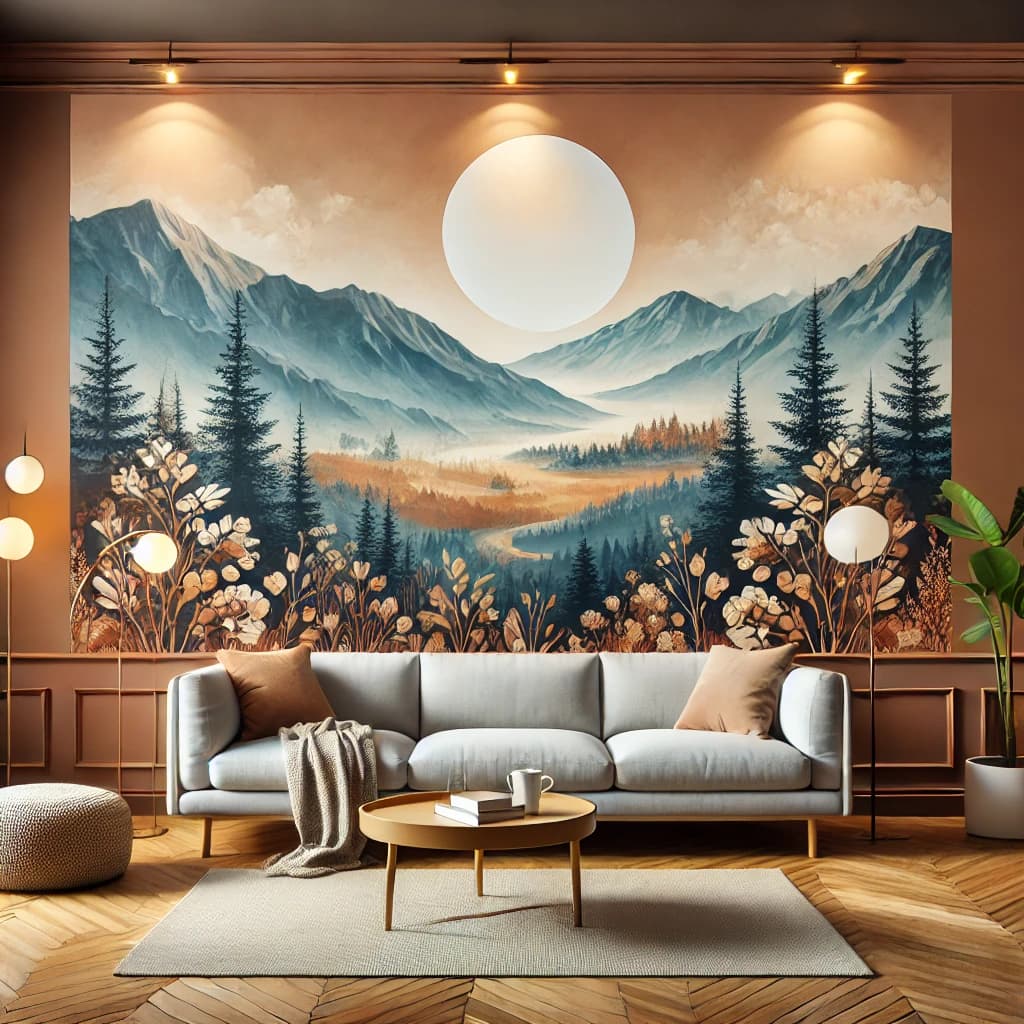
Are you looking to transform a room from drab to dazzling, from ordinary to extraordinary, without picking up a paintbrush and spending weeks on a hand-painted mural? Then, you’ve stumbled upon the perfect solution: mural wallpaper. In the realm of interior design, few elements possess the power to instantly captivate and redefine a space quite like mural wallpaper. But what exactly is mural wallpaper, and how can you use it to elevate your home décor?
This beginner’s guide to wall murals covers everything from the definition and types of mural wallpaper to its benefits, how to choose the perfect one for your space, installation tips, care instructions, and even current trends. Whether you’re a seasoned DIY enthusiast or a complete novice looking to inject personality and style into your home, this guide will equip you with all the knowledge you need to master the art of mural wallpaper.
Unveiling the Magic: Defining Mural Wallpaper
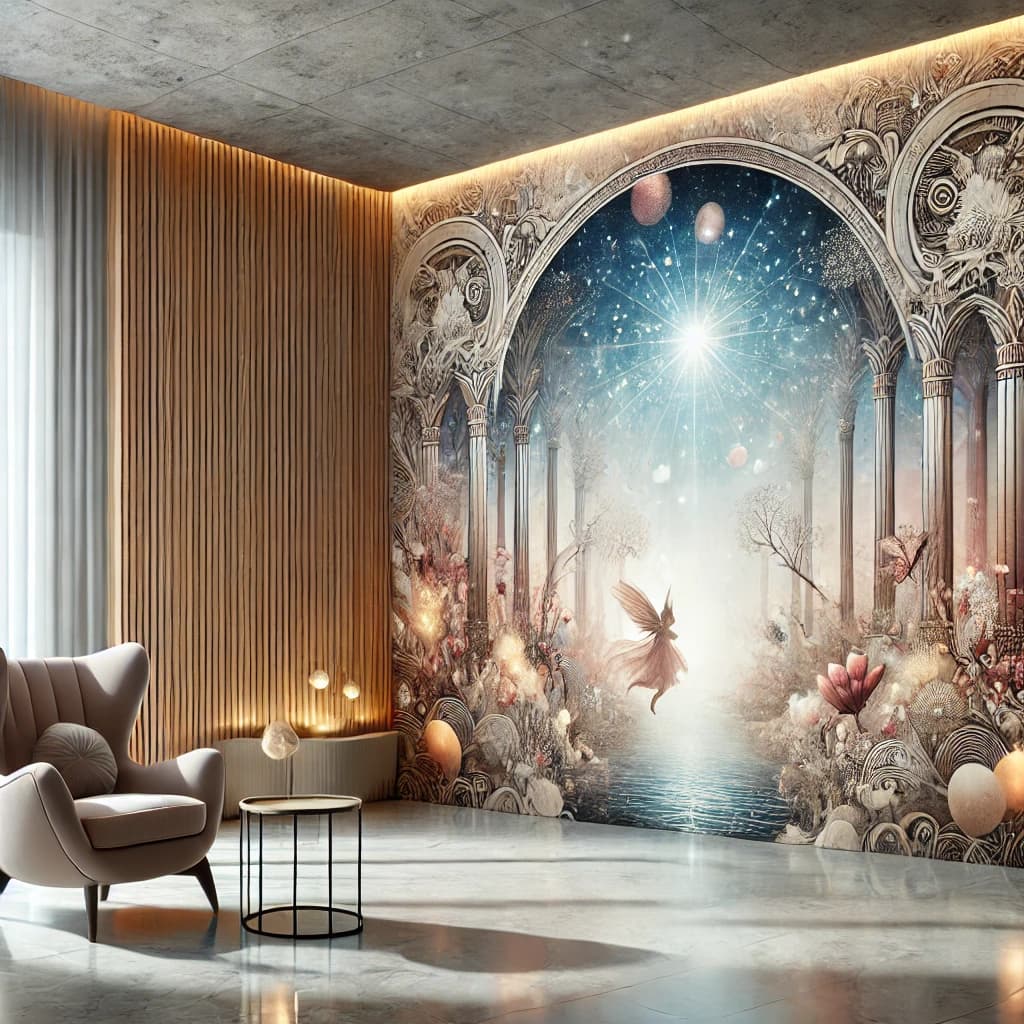
At its core, mural wallpaper, often simply referred to as wall murals or wallpaper murals, is a large-scale decorative wall covering designed to depict a scene, image, or artwork across an entire wall or a significant portion of it. Unlike traditional wallpaper, which typically features repeating patterns, mural wallpaper tells a visual story. It’s essentially a giant, pre-printed image that you apply to your wall, much like regular wallpaper.
Think of it as bringing a piece of art into your room, but on a grand, immersive scale. Instead of small, framed pictures adorning your walls, mural wallpaper transforms the wall itself into a breathtaking canvas.
Key Characteristics that Distinguish Mural Wallpaper:
- Large Scale and Image-Based: The defining feature of mural wallpaper is its large size and focus on a single, cohesive image. It’s not about repeating patterns but rather a panoramic view, a detailed illustration, or a striking photograph.
- Customisability and Personalisation: While many pre-designed mural wallpapers are available, a significant advantage of modern mural wallpaper is how easily it can be tailored. At The Wallpaperer, every mural is printed to your wall’s exact width and height, and if you would like a design adjusted, for example with an added element or a name, our team can create a custom version on request. This allows you to tailor the artwork to your specific tastes, room dimensions, and desired aesthetic.
- Transformative Power: Mural wallpaper has an unparalleled ability to transform a space. It can instantly change the atmosphere, mood, and perceived size of a room. A nature-themed mural can bring the outdoors in, a cityscape can add urban chic, and an abstract design can inject modern flair.
- Storytelling and Atmosphere Creation: More than just decoration, mural wallpaper can tell a story or create a specific atmosphere. A forest scene can evoke tranquillity, a vibrant abstract mural can energise a space, and a vintage map mural can add a touch of historical charm.
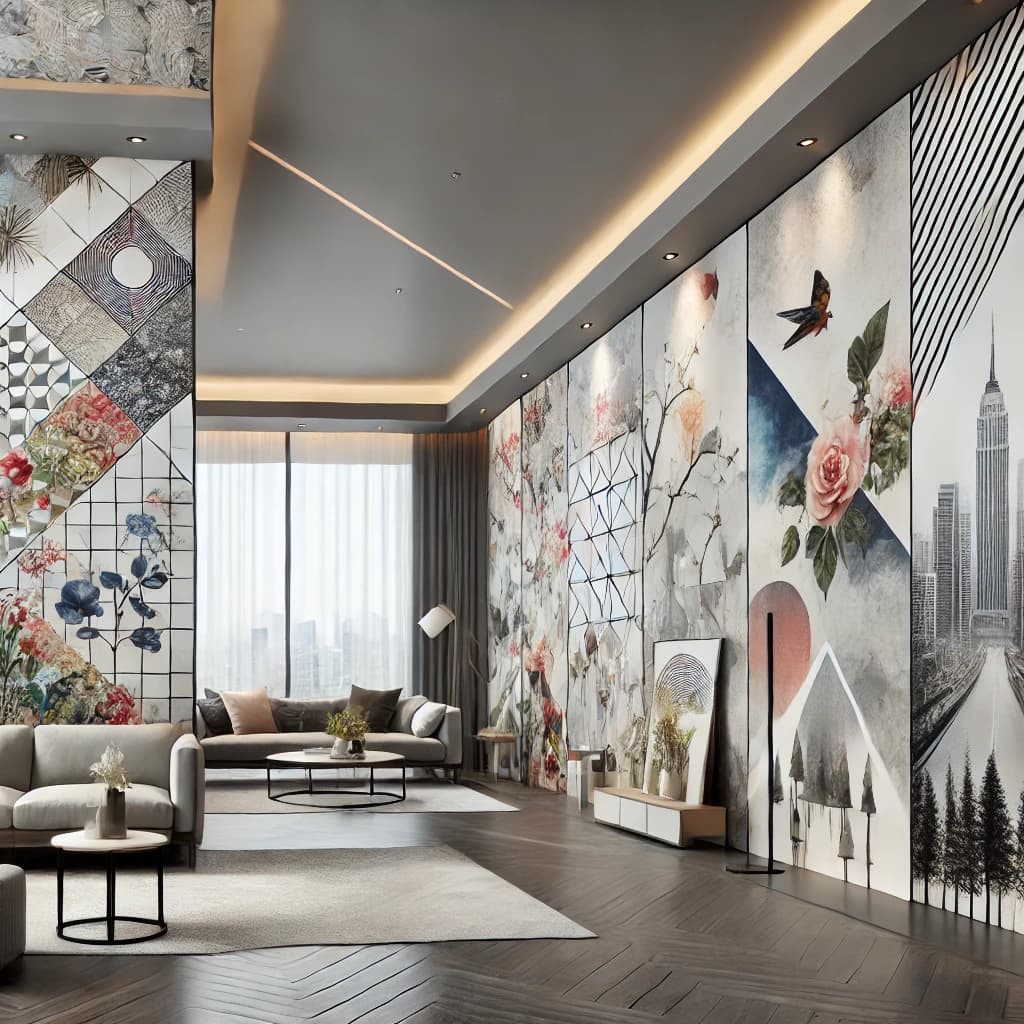
- Variety of Styles and Designs: The range of styles and designs available in mural wallpaper is virtually limitless. From photorealistic landscapes and intricate floral patterns to abstract art, geometric designs, and whimsical illustrations, there’s a mural wallpaper to suit every taste and décor style.
Mural Wallpaper vs. Traditional Wallpaper: What’s the Difference?
While both mural wallpaper and traditional wallpaper are applied to walls to enhance their aesthetic appeal, they differ significantly in their design, application, and overall impact:
| Feature | Mural Wallpaper | Traditional Wallpaper |
| Design | Large-scale image, scene, or artwork | Repeating pattern, texture, or small design elements |
| Scale | Covers a significant portion or entire wall | Applied to entire walls, often in rolls |
| Visual Impact | Creates a focal point, transformative and immersive | Adds texture, colour, and subtle pattern to the room |
| Customisation | High degree of customisation, often personalised images | Limited customisation, mostly pattern and colour choices |
| Pattern Repeat | Typically no repeat or very large repeat | Small, repeating pattern |
| Installation | May require more precise alignment of panels | Often easier to install due to repeating pattern |
| Purpose | To create a statement, tell a story, transform a space | To enhance overall room décor, add subtle interest |
In essence, traditional wallpaper is like clothing for your walls – it adds texture, colour, and subtle design to the overall room. Mural wallpaper, on the other hand, is like a piece of art – it’s a focal point that can completely redefine the character and atmosphere of a space.
Exploring the Diverse World: Types of Mural Wallpaper
Mural wallpaper is not a one-size-fits-all solution. It comes in a variety of materials, styles, and application methods, each with its own unique characteristics and benefits. Understanding these different types will help you choose the best mural wallpaper for your specific needs and preferences.
We can categorise mural wallpaper based on several factors:
1. Material Type:
The material of your mural wallpaper significantly impacts its durability, appearance, installation process, and overall cost. Here are some common material types:
- Traditional Paper Wallpaper: This is the classic type of wallpaper, often made from paper pulp.
- Pros: Generally less expensive, offers a wide range of printed designs.
- Cons: Less durable, prone to tearing and water damage, harder to clean, may require pre-pasting or soaking.
- Best for: Low-traffic areas, rooms with minimal humidity, budget-conscious projects.
- Non-Woven Wallpaper: Made from a blend of natural and synthetic fibres, non-woven wallpaper is a popular choice for its balance of quality and ease of use.
- Pros: More durable than paper wallpaper, breathable, easier to install (paste-the-wall application), dimensionally stable (less shrinkage and expansion), easier to remove.
- Cons: Can be slightly more expensive than paper wallpaper.
- Best for: Most rooms in the house, including living rooms, bedrooms, and hallways.
- Vinyl Wallpaper: Vinyl wallpaper has a vinyl (PVC) coating over a paper or fabric backing. It’s known for its durability and washability.
- Pros: Highly durable, washable and scrubbable, moisture-resistant, stain-resistant, good for high-traffic areas and bathrooms/kitchens.
- Cons: Less breathable than non-woven or paper, can have a slightly plastic-like appearance, can release VOCs (volatile organic compounds) in some cases (look for low-VOC options).
- Best for: Kitchens, bathrooms, children’s rooms, high-traffic areas, commercial spaces.
- Fabric Wallpaper (Textile Wallpaper): Features a fabric surface, such as linen, silk, or velvet, laminated to a paper backing.
- Pros: Adds luxurious texture and warmth, sophisticated look, good sound absorption.
- Cons: More expensive, less durable and harder to clean than vinyl or non-woven, may require professional installation, can be sensitive to moisture.
- Best for: Formal living rooms, dining rooms, bedrooms, feature walls in low-traffic areas.
- Peel and Stick Wallpaper (Self-Adhesive Wallpaper): Features an adhesive backing, eliminating the need for wallpaper paste. Often made from vinyl or fabric.
- Pros: Easiest to install and remove, DIY-friendly, repositionable (in some cases), good for renters, temporary décor, and feature walls.
- Cons: Can be less durable than traditional pasted wallpaper, adhesive may weaken over time, may not adhere well to all wall surfaces, can be more expensive per roll.
- Best for: Renters, temporary décor, DIY projects, feature walls, craft projects.
- Grasscloth Wallpaper: Made from natural fibres like grasscloth, jute, or bamboo woven onto a paper backing.
- Pros: Adds natural texture and organic beauty, unique and sophisticated look, eco-friendly options available.
- Cons: More delicate, less durable, harder to clean, seams are more visible, may require professional installation, can be more expensive.
- Best for: Living rooms, dining rooms, bedrooms, feature walls in low-traffic areas where a natural, textured look is desired.
2. Style and Design:
The stylistic possibilities of mural wallpaper are truly endless. Here are some popular design categories:
- Scenic Murals: Depict landscapes, nature scenes, forests, mountains, beaches, gardens, and panoramic views. These murals can bring the beauty of the outdoors inside, create a sense of escape, and add depth to a room.
- Abstract Murals: Feature non-representational art, geometric shapes, colour blocks, brushstrokes, and artistic textures. Abstract murals can add modern flair, visual interest, and a contemporary edge to a space.
- Floral Murals: Showcase flowers, botanical patterns, leaves, and plants. Floral murals can range from delicate and romantic to bold and dramatic, adding a touch of nature, elegance, and vibrancy to a room.
- Photographic Murals: Feature high-resolution photographs, often enlarged to wall size. These can include cityscapes, nature photography, portraits, or abstract photographic compositions. Photographic murals offer realism and a striking visual impact.
- Illustrative Murals: Depict illustrations, cartoons, whimsical drawings, or graphic designs. Illustrative murals are perfect for children’s rooms, playrooms, nurseries, or for adding a playful and artistic touch to any space.
- Geometric Murals: Feature geometric patterns, lines, shapes, and tessellations. Geometric murals can add a modern, structured, and visually dynamic element to a room.
- 3D Murals and Trompe-l’oeil: Designed to create optical illusions of depth, texture, and three-dimensionality. Trompe-l’oeil murals can make walls appear to recede, reveal hidden spaces, or feature realistic architectural details, adding a sense of surprise and visual trickery.
- Vintage and Retro Murals: Embrace vintage patterns, retro designs, and historical imagery. Vintage murals can add a sense of nostalgia, classic elegance, and historical charm to a space.
- World Maps and City Maps: Feature detailed maps of the world, continents, countries, or cities. Map murals are both decorative and educational, adding a sense of adventure, travel, and worldly sophistication to a room.
3. Application and Room Type:
Consider the room where you plan to install the mural wallpaper when making your selection:
- Living Rooms: Living rooms are ideal for statement mural wallpapers that reflect your personal style and create a focal point. Scenic, abstract, floral, or photographic murals can all work beautifully in living rooms, depending on the overall décor.
- Bedrooms: Bedrooms often benefit from calming and relaxing mural wallpapers. Nature-inspired scenes, soft floral patterns, abstract designs in muted tones, or even serene photographic murals can create a tranquil and restful atmosphere.
- Kitchens: For kitchens, consider durable and washable options like vinyl wallpaper. Splashback murals, food-themed murals, or scenic murals depicting landscapes or gardens can add personality and visual interest to the kitchen space.
- Bathrooms: Bathrooms require moisture-resistant mural wallpaper, such as vinyl. Underwater scenes, tropical motifs, spa-inspired designs, or even abstract patterns in water-friendly colours can create a relaxing and refreshing bathroom environment.
- Children’s Rooms and Nurseries: Children’s rooms and nurseries are perfect for playful and whimsical mural wallpapers. Illustrative murals, cartoon characters, animal themes, or educational murals can stimulate imagination and create a fun and engaging space for kids.
- Commercial Spaces (Offices, Restaurants, Retail): Mural wallpaper can be used in commercial spaces to create a brand identity, enhance ambiance, and make a lasting impression on customers. Corporate logos, branded designs, scenic murals related to the business, or abstract art can be used to create a unique and professional environment.
Why Choose Mural Wallpaper? The Benefits Unveiled
Mural wallpaper offers a plethora of advantages that make it a compelling choice for transforming your interiors. Here are some key benefits:
- Dramatic Visual Impact and Aesthetics: As mentioned earlier, mural wallpaper has an unmatched ability to create a dramatic visual impact. It can instantly transform a bland wall into a stunning focal point, elevating the entire room’s aesthetic. It adds depth, dimension, and personality that paint or traditional wallpaper simply can’t achieve.
- Personalisation and Customisation: The level of personalisation offered by mural wallpaper is a significant advantage. You can choose from a vast library of designs, have each one printed to your wall’s exact size, and request custom changes such as an added element or a name. This allows you to express your individual style and create a truly unique space that reflects your personality.
- Space Enhancement and Illusion: Mural wallpaper can visually alter the perception of space. Horizontal murals can make a room appear wider, vertical murals can make ceilings seem higher, and scenic murals with perspective can create the illusion of depth, making small rooms feel larger and more open.
- Mood and Atmosphere Creation: The imagery and colours in mural wallpaper have a powerful influence on the mood and atmosphere of a room. Warm colours and nature scenes can create a cosy and inviting atmosphere, cool colours and abstract designs can create a modern and sophisticated vibe, and vibrant colours and playful illustrations can energise and uplift a space.
- Cost-Effective Alternative to Custom Art: Commissioning a hand-painted mural can be a costly and time-consuming endeavour. Mural wallpaper offers a more affordable and faster way to achieve a similar artistic effect. You get the impact of a large-scale artwork without the high price tag and lengthy installation process.
- Relatively Easy Installation (DIY-Friendly Options): Compared to hand-painted murals or intricate wallpaper installations, mural wallpaper can be relatively easy to install, especially peel and stick varieties. Many pre-pasted or paste-the-wall options are available, making DIY installation accessible to homeowners with basic skills.
- Easy to Remove and Change (Flexibility): Unlike paint or permanent wall treatments, mural wallpaper, especially peel and stick options, can be easily removed and changed. This offers flexibility to update your décor as your tastes evolve or when you want to refresh your space without a major renovation. This is particularly beneficial for renters or those who like to change their décor frequently.
- Conceals Imperfections: Mural wallpaper can effectively hide minor wall imperfections, such as cracks, dents, or uneven surfaces. The textured surface of some wallpapers and the visual distraction of the mural design can camouflage these flaws, creating a smoother and more polished look.
Choosing Your Perfect Canvas: How to Select the Right Mural Wallpaper
With so many options available, choosing the right mural wallpaper can feel overwhelming. Here’s a step-by-step guide to help you make the perfect selection:
1. Analyse Your Space and Room:
- Room Size and Dimensions: Consider the size of the room and the wall you plan to cover. Large, expansive murals can work well in spacious rooms, while smaller, more focused murals might be better suited for smaller spaces. Measure your wall accurately to ensure you order the correct size mural.
- Room Function and Purpose: Think about the function of the room and the atmosphere you want to create. Is it a relaxing bedroom, an energising living room, a playful children’s room, or a sophisticated dining room? Choose a mural style and design that aligns with the room’s purpose and desired ambiance.
- Existing Décor and Style: Consider the existing décor, furniture, colours, and style of the room. Choose a mural wallpaper that complements and enhances your current décor, rather than clashing with it. Think about colour palettes, patterns, and overall style compatibility.
- Lighting Conditions: Assess the natural and artificial lighting in the room. Darker rooms might benefit from lighter and brighter murals to brighten the space, while well-lit rooms can handle bolder and darker designs. Consider how the light will interact with the mural’s colours and textures at different times of day.
2. Define Your Style and Preferences:
- Personal Taste and Style: What are your personal preferences in art, design, and aesthetics? Do you prefer nature scenes, abstract art, geometric patterns, vintage designs, or photographic realism? Choose a mural style that resonates with your personal taste and makes you happy.
- Desired Mood and Atmosphere: What mood do you want to create in the room? Relaxing, energising, sophisticated, playful, dramatic, calming? Select a mural design and colour palette that evokes the desired mood and atmosphere. Consider colour psychology and the emotional impact of different imagery.
- Colour Palette: Determine the colour palette for your mural. Consider the existing colours in the room and choose a mural that incorporates complementary or contrasting colours to create visual harmony or a striking statement. Think about warm vs. cool colours, neutral vs. bold colours, and how they will affect the overall feel of the room.
3. Consider Practical Factors:
- Material Durability and Maintenance: Choose a mural wallpaper material that is appropriate for the room’s conditions and your lifestyle. For high-traffic areas, kitchens, and bathrooms, opt for durable and washable materials like vinyl. For bedrooms and living rooms, non-woven or paper wallpapers may suffice. Consider cleaning requirements and maintenance needs.
- Installation Method (DIY vs. Professional): Assess your DIY skills and comfort level. Peel and stick murals are the easiest to install for beginners, while traditional paste-based murals may require more experience or professional installation. Consider the complexity of the mural design and your time availability.
- Budget: Set a budget for your mural wallpaper project. At The Wallpaperer, murals are priced per square metre, so the cost depends on your wall’s size and the paper you choose. DIY installation can also help you save.
- Sample and Reviews: Before making a final decision, order samples of your shortlisted mural wallpapers. This allows you to see the colours, texture, and print quality in person and ensure they match your expectations. Read online reviews from other customers to get insights into the product quality and installation experience.
4. Visualise and Plan:
- Mock-up or Visualisation Tools: Use online room visualisers or photo editing software to mock up how the mural wallpaper will look in your room. This helps you visualise the final result and make informed decisions before purchasing.
- Panel Arrangement and Alignment: For multi-panel murals, plan the panel arrangement and alignment carefully. Ensure you understand the installation instructions and how the panels will fit together to create the complete image.
- Focal Point and Placement: Decide where you want the focal point of the mural to be and how it will be positioned on the wall. Consider furniture placement, architectural features, and how the mural will interact with other elements in the room.
By carefully considering these factors, you can confidently choose a mural wallpaper that perfectly complements your space, style, and vision, transforming your walls into stunning works of art.
Bringing Your Mural to Life: Installation Guide for Beginners
Installing mural wallpaper might seem daunting, but with careful preparation and the right techniques, it can be a rewarding DIY project. Here’s a step-by-step beginner’s guide:
1. Gather Your Tools and Materials:
- Mural Wallpaper Panels: Ensure you have all the panels of your mural wallpaper and that they are in good condition.
- Wallpaper Paste (for non-pasted murals): Choose a paste that is compatible with your wallpaper material. Paste-the-wall pastes are often recommended for non-woven wallpapers.
- Paste Brush or Roller: For applying paste evenly.
- Smoothing Brush or Plastic Smoother: For smoothing out air bubbles and wrinkles.
- Seam Roller: For pressing seams together for a seamless look.
- Craft Knife or Sharp Blade: For trimming excess wallpaper.
- Metal Ruler or Straight Edge: For guiding your knife when trimming.
- Tape Measure: For accurate measurements.
- Pencil: For marking guidelines on the wall.
- Spirit Level or Plumb Bob: To ensure panels are hung straight.
- Dust Sheets or Protective Sheets: To protect your floors.
- Sponge and Bucket of Clean Water: For wiping excess paste and cleaning up.
- Ladder or Step Stool: To reach higher areas of the wall.
2. Prepare Your Walls:
- Clean the Walls: Ensure the walls are clean, dry, and free of dust, dirt, grease, and loose paint. Wash walls with mild soap and water if necessary and allow them to dry completely.
- Repair Imperfections: Fill any holes, cracks, or dents in the walls with filler or jointing compound. Sand smooth once dry. Uneven surfaces can show through the wallpaper.
- Prime the Walls: Apply a wallpaper primer to the walls. Primer creates a smooth, even surface for wallpaper adhesion, improves paste grip, and makes wallpaper removal easier in the future. Allow primer to dry completely according to the manufacturer’s instructions.
- Size the Walls (Optional): For porous walls or paper-backed wallpapers, sizing the walls with wallpaper size can further improve adhesion. Follow the size manufacturer’s instructions.
3. Measure and Plan:
- Measure Your Wall Again: Double-check your wall measurements in centimetres before ordering, since the mural is printed to the exact size you enter.
- Lay Out Panels (Dry Fit): Lay out the mural wallpaper panels on the floor in the order they will be hung. This helps you visualise the complete image and understand the panel sequence.
- Mark Vertical Guidelines: Use a spirit level or plumb bob to draw a vertical guideline on the wall, starting from a corner. This will be your starting point for hanging the first panel straight.
4. Apply Paste (for non-pasted murals):
- Apply Paste Evenly: If using non-pasted wallpaper, apply wallpaper paste evenly to the back of the first panel, following the paste manufacturer’s instructions. Avoid getting paste on the front of the wallpaper.
- Book the Wallpaper (if required): Some wallpapers require booking, which involves folding the pasted panel paste-to-paste and allowing it to rest for a specific time to activate the paste. Check the wallpaper instructions.
5. Hang the First Panel:
- Align with Guideline: Carefully align the first panel with your vertical guideline and the top of the wall. Ensure it is straight and positioned correctly.
- Smooth Out Air Bubbles: Starting from the top centre, use a smoothing brush or plastic smoother to gently smooth out air bubbles and wrinkles, working outwards and downwards. Be careful not to stretch or damage the wallpaper.
- Wipe Excess Paste: Use a damp sponge to wipe away any excess paste that squeezes out at the seams or edges.
6. Hang Subsequent Panels:
- Match the Pattern: Carefully align the pattern of the next panel with the edge of the previous panel. Ensure the image flows seamlessly.
- Overlap or Butt Seams (depending on wallpaper type): Some mural wallpapers are designed to be butted together edge-to-edge for a seamless look. Others may require a slight overlap. Follow the manufacturer’s instructions.
- Use Seam Roller: Use a seam roller to gently press the seams together and ensure a tight, even join. Avoid pressing too hard, which can damage the wallpaper.
- Repeat Smoothing and Wiping: Smooth out air bubbles and wipe away excess paste as you hang each panel.
7. Trim Excess Wallpaper:
- Trim Top and Bottom: Once all panels are hung, use a sharp craft knife and a metal ruler to trim any excess wallpaper at the top and bottom edges of the wall. Cut along the ceiling line and skirting board.
- Trim Side Edges (if necessary): If your mural is wider than the wall, trim the side edges using the same technique.
8. Clean Up and Finishing Touches:
- Clean Up Paste: Thoroughly clean up any remaining paste on the wall, seams, and surrounding areas with a damp sponge.
- Inspect for Imperfections: Inspect the installed mural for any remaining air bubbles, wrinkles, or misaligned seams. Address any issues while the paste is still wet.
- Allow to Dry Completely: Allow the mural wallpaper to dry completely, usually for 24-48 hours, before placing furniture back in the room or touching the walls.
Tips for Success:
- Read the Manufacturer’s Instructions: Always read and follow the specific installation instructions provided by the mural wallpaper manufacturer.
- Work from Top to Bottom: Start hanging panels from the top of the wall and work your way down.
- Take Your Time and Be Patient: Don’t rush the installation process. Take your time, be patient, and work carefully to achieve the best results.
- Don’t Be Afraid to Ask for Help: If you’re unsure about any step or find the installation challenging, don’t hesitate to ask for help from a friend or professional wallpaper installer.
Keeping Your Mural Beautiful: Care and Maintenance
Proper care and maintenance will ensure your mural wallpaper looks its best for years to come. Here are some essential tips:
- Regular Dusting: Dust your mural wallpaper regularly with a soft cloth, duster, or vacuum cleaner with a soft brush attachment to prevent dust buildup.
- Gentle Cleaning: For washable vinyl wallpapers, you can gently clean smudges or stains with a damp sponge or cloth and mild soapy water. Avoid harsh chemicals, abrasive cleaners, or scrubbing, which can damage the wallpaper surface.
- Avoid Excessive Moisture: While some vinyl wallpapers are moisture-resistant, avoid exposing mural wallpaper to excessive moisture or direct water contact. In bathrooms, ensure proper ventilation to prevent steam buildup.
- Protect from Direct Sunlight: Prolonged exposure to direct sunlight can cause colours to fade over time. Consider using window treatments like curtains or blinds to protect your mural from direct sunlight, especially if it’s placed near a sunny window.
- Prevent Scratches and Damage: Be careful not to scratch or damage the wallpaper surface with sharp objects or furniture. Avoid placing furniture too close to the mural to prevent accidental bumps or scrapes.
- Repair Minor Damage Promptly: If you notice any minor tears, scratches, or loose seams, repair them promptly to prevent further damage. You can use wallpaper paste to re-adhere loose seams or touch up minor scratches with appropriate touch-up markers (if available).
- Professional Cleaning (Optional): For delicate or fabric-based mural wallpapers, consider professional cleaning services for deep cleaning or stain removal.
Where to Find Your Dream Mural: Shopping at The Wallpaperer
At The Wallpaperer, you can browse mural designs online and have any of them printed to your wall’s exact size. Here is what to expect:
- Made to Measure: Every design is printed to your wall’s width and height (100 to 600 cm) and priced per square metre, so there are no rolls to calculate.
- Four Papers: Choose from Gloss, Matte, Peel & Stick, or Matte Self-Adhesive Vinyl, depending on your wall and room.
- Custom Designs: If you would like a design adjusted, for example with an added element or a name, contact our team and we can prepare a custom version.
Tips for Shopping:
- Browse Online Catalogues: Explore online catalogues and websites to get inspiration and discover the vast range of styles and designs available.
- Order Samples: Always order samples before making a final purchase to see the colours, texture, and print quality in person.
- Read Reviews: Check customer reviews to get insights into product quality, installation experience, and customer satisfaction.
- Check Return Policies: Read our Return and Cancellation Policy before you order.
Staying Ahead of the Curve: Mural Wallpaper Trends
The world of interior design is constantly evolving, and mural wallpaper trends are no exception. Here are some current and emerging trends to keep in mind:
- Nature-Inspired Murals: Biophilic design continues to be a strong trend, with nature-inspired mural wallpapers featuring landscapes, forests, botanical prints, floral patterns, and animal motifs remaining incredibly popular. Bringing the outdoors in creates a sense of tranquillity, connection to nature, and visual serenity.
- Abstract and Geometric Designs: Abstract and geometric mural wallpapers continue to be favoured for their modern, artistic, and visually dynamic appeal. Bold geometric patterns, abstract brushstrokes, colour blocks, and textured designs add contemporary flair and visual interest to spaces.
- Vintage and Retro Revival: Vintage and retro-inspired mural wallpapers are making a comeback, embracing classic patterns, historical imagery, and nostalgic designs. Art Deco patterns, mid-century modern motifs, and vintage map murals add a touch of timeless elegance and historical charm.
- Large-Scale Florals and Botanicals: Oversized floral and botanical prints are trending, creating dramatic and impactful focal points. Large-scale flowers, tropical leaves, and jungle foliage patterns add a touch of luxury, vibrancy, and botanical beauty to interiors.
- Minimalist and Textured Murals: Minimalist mural wallpapers with subtle textures, neutral colour palettes, and understated designs are gaining popularity for their sophisticated and understated elegance. Texture-effect wallpapers that mimic natural materials like linen, concrete, or wood add depth and tactile interest without overwhelming the space.
- Personalised and Custom Murals: The demand for personalisation is growing, with custom mural wallpaper becoming increasingly popular. Adapting a design, for example by adding a name or a favourite element, allows for truly unique and meaningful wall décor.
- 3D and Trompe-l’oeil Effects: Mural wallpapers with 3D effects and trompe-l’oeil illusions continue to intrigue and captivate. Realistic architectural details, faux textures, and optical illusions create a sense of depth, surprise, and visual trickery.
- Sustainable and Eco-Friendly Options: Eco-consciousness is influencing design choices, with a growing demand for more sustainable mural wallpaper options. Our Gloss and Matte papers, for example, are PVC free and printed with water-based HP Latex inks.
By staying informed about these trends, you can choose a mural wallpaper that is not only stylish and beautiful but also reflects current design sensibilities and your personal taste.
Conclusion: Transform Your Walls, Transform Your Space
Mural wallpaper is a practical way of transforming your interiors, expressing your personal style, and creating immersive and captivating spaces. From defining its essence and exploring diverse types to understanding benefits, choosing the perfect mural, mastering installation, and staying on top of trends, this beginner’s guide has equipped you with comprehensive knowledge to embark on your mural wallpaper journey.
Whether you desire to bring nature indoors, add modern flair, create a whimsical children’s room, or achieve a sophisticated and personalised ambiance, mural wallpaper offers limitless possibilities. Embrace the magic of wall murals, unleash your creativity, and transform your walls into breathtaking canvases that reflect your unique vision and elevate your home décor to new heights.
Now that you are armed with the knowledge and inspiration, it’s time to explore the world of mural wallpaper and discover the perfect design to transform your space. Happy decorating!